Time becomes a design material when technologies do more than indicate moments and begin structuring how moments relate to one another.
- Suspended Responsiveness
One forgotten setting, one closed fridge
Early in her marriage, one participant forgot to activate Shabbat mode. For the rest of the day, she relied on food already taken out and whatever remained in the cupboards. In her practice, the refrigerator had become inaccessible until Shabbat ended.
The incident reveals how much now happens when a refrigerator door opens. The interior light turns on. A display wakes. An alarm begins counting. Fans may stop or restart, while sensors feed information into the appliance’s cooling logic.
The door has become more than an opening. It is a command surface for processes hidden throughout the machine.

From duck tape to firmware
Older refrigerators presented a visible problem: a small switch controlling the interior bulb. People removed the bulb, wedged the switch with a toothpick, or held it down with adhesive tape. The intervention was crude but legible. The door could open without producing light.
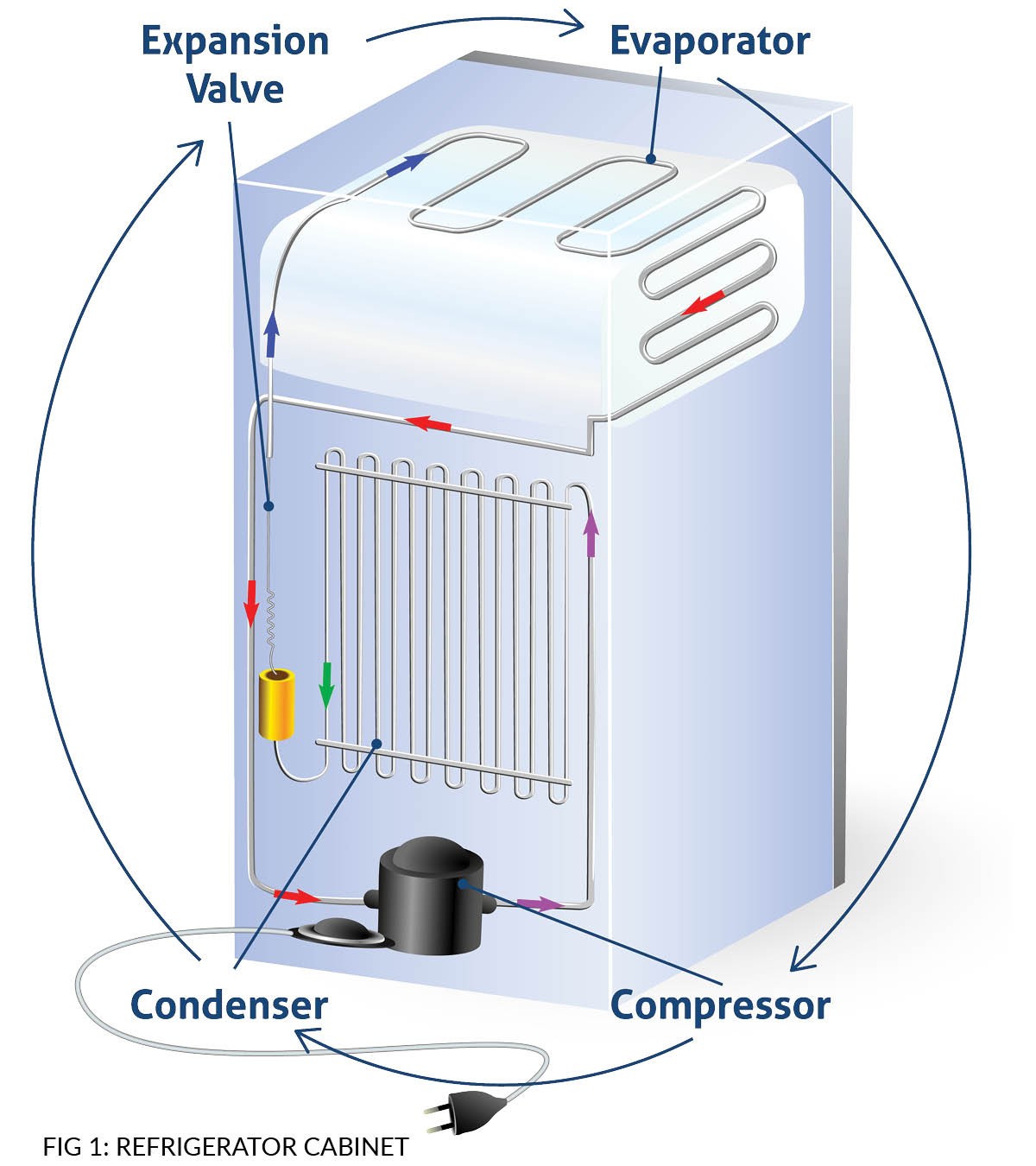
As refrigerators became sealed, digital and sensor-rich, the bulb was no longer the only issue. Displays, alarms, fans, temperature sensors and compressor logic also became tied to the door.
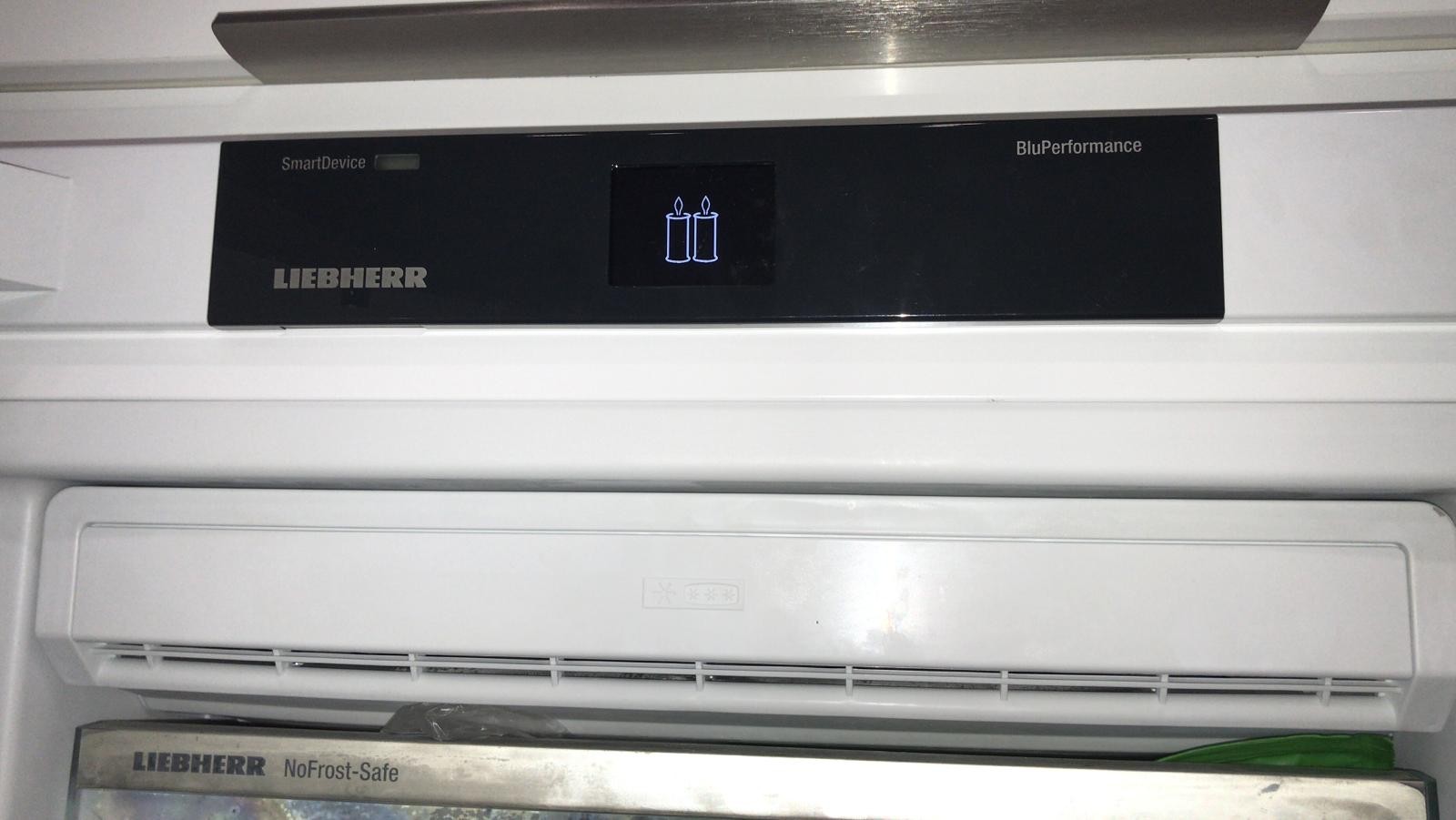
Shabbat mode formalises these domestic workarounds inside the appliance. Activated beforehand, it changes how the refrigerator responds during the ritual interval. Lights and displays remain dark, alarms are disabled, and cooling cycles become less directly linked to the moment the door is opened. Depending on the model, delayed or pre-programmed cycles weaken the immediate connection between the user’s gesture and the machine’s response.
A single setting now replaces several improvised physical hacks.
Teaching a smart fridge not to notice
Shabbat mode is developed through collaboration between manufacturers, engineers and rabbinic authorities. STAR-K, a kosher certification organisation, evaluates individual appliance models: what the door switch activates, when displays change, how alarms behave, and whether opening the door affects fans, defrosting or compressor cycles.
These requirements are translated into hardware and software. Sensors are bypassed, feedback is suppressed, and internal processes are reorganised so that the appliance can continue cooling without reacting immediately to every movement of the user.
The paradox is striking: additional engineering makes a modern refrigerator behave, temporarily, like an older and less responsive machine. Its sophisticated systems simulate technological simplicity.
The door opens, the system stays quiet
A conventional refrigerator confirms that it has noticed the user. The light appears, the display changes, and the appliance adjusts itself around the opened door. Shabbat mode interrupts this exchange.
The door still provides access to food, but its usual chain of feedback has been suspended. The refrigerator continues its essential work while withholding the signs of responsiveness associated with contemporary smart appliances.
For interaction design, this expands the interface beyond the control panel. The hinge, door switch, light, sensors, alarms and cooling system all participate in the interaction. Shabbat mode edits the causal relations between them.
One command made before Shabbat changes the meaning of every later door opening. Suspended responsiveness describes this condition: the system remains active, while the user’s gesture temporarily loses its power to summon an immediate electrical response.