Indirect electrical light switch
- Ambiguity
A familiar gesture becomes problematic
In many Shabbat homes, the ordinary light switch becomes a risky object. It is small, familiar, and almost automatic: a person enters a room, reaches for the wall, and presses. In everyday life, this gesture is trivial. During Shabbat, it becomes problematic because it can immediately open or close an electrical circuit.
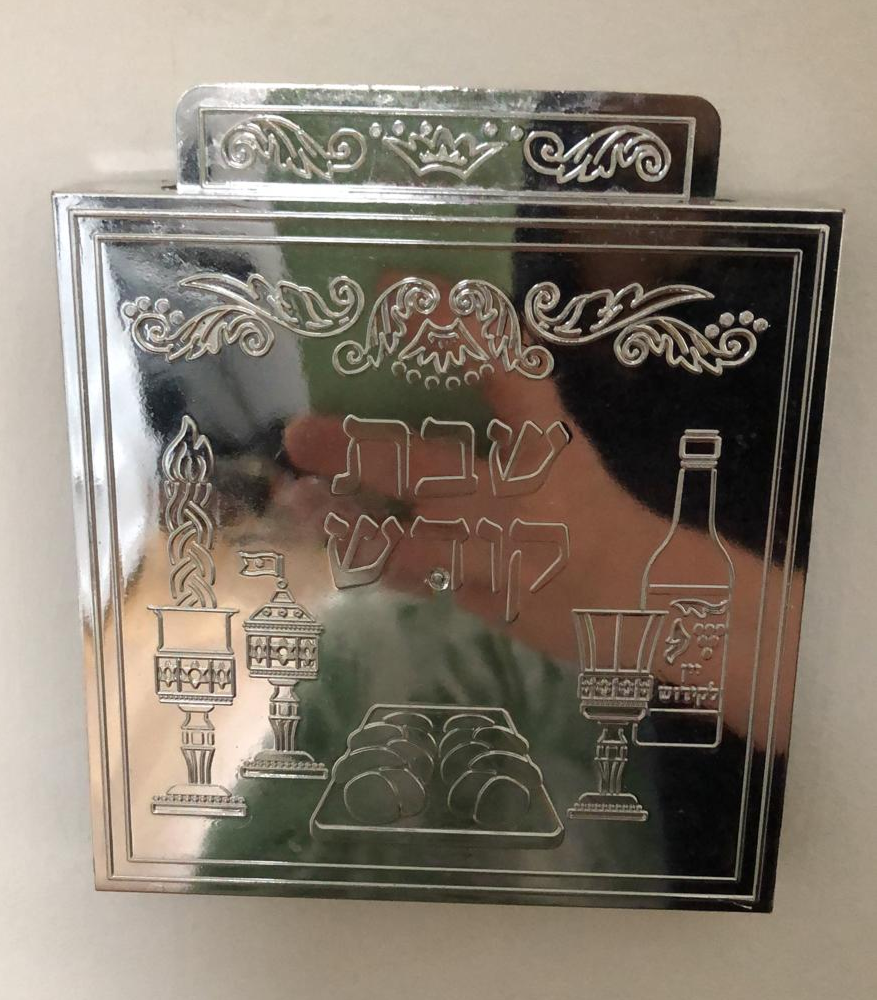
One common response is not to redesign the switch, but to block access to it. Decorative metal covers like the one shown here are placed over conventional switches to prevent accidental use. They act as small domestic barriers. The electrical system remains unchanged, but the hand is stopped before it can complete the gesture.
The KosherSwitch proposes another strategy. Instead of hiding the switch, it keeps the familiar form of a wall-mounted control. It still looks like a switch, and it is still placed where a switch would normally be. But behind this familiar surface, the relation between pressing and switching has been rearranged.
In a standard switch, the gesture and the effect are almost simultaneous. Pressing the button physically closes or opens the circuit. The finger acts, the circuit changes, and the light responds. The chain of causality is short and direct.
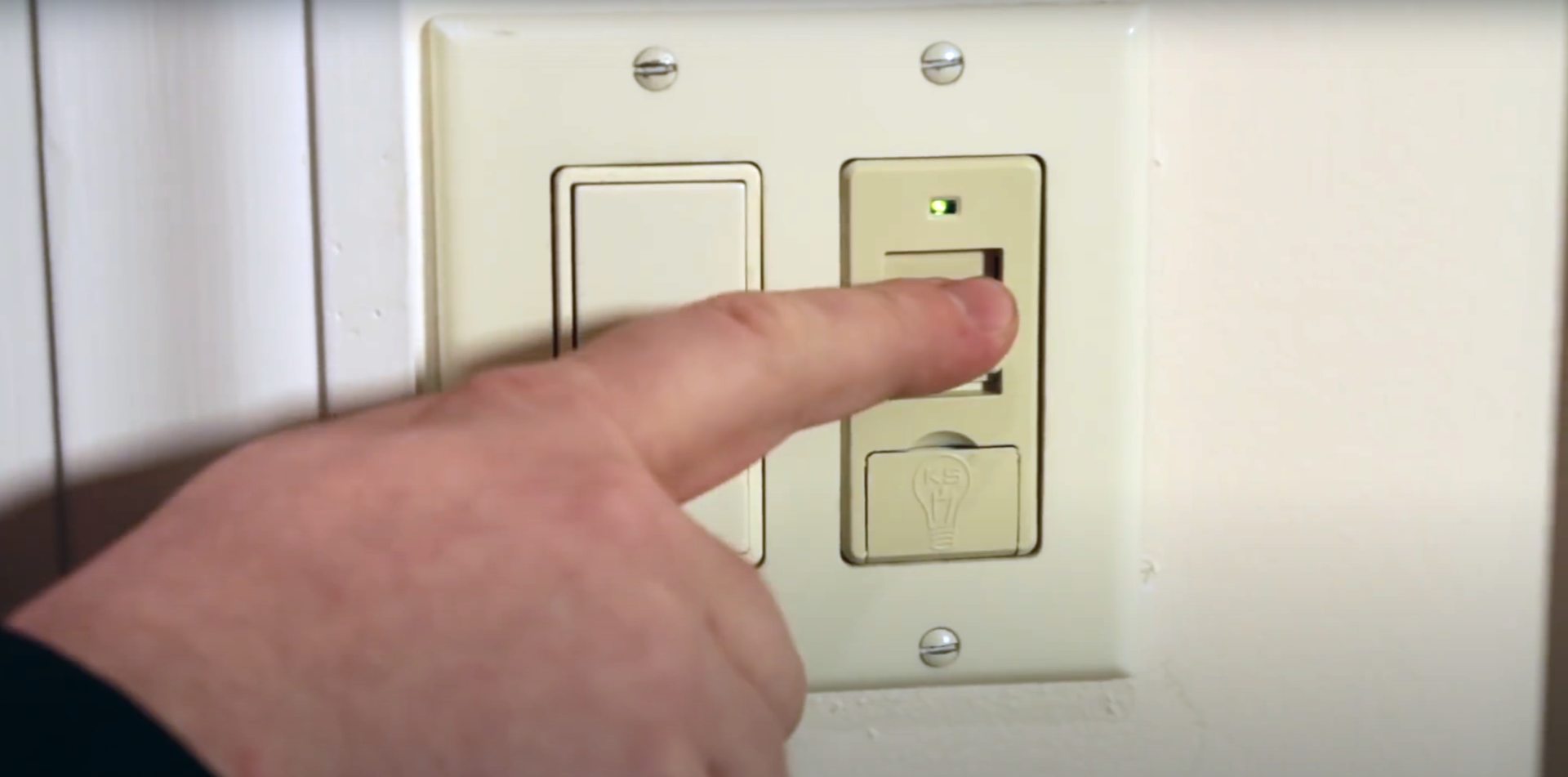
The KosherSwitch interrupts this chain. When the user presses it, the light does not turn on or off immediately. The press only changes the internal position of the device. Later, the device performs its own check: it sends or reads a signal, detects whether that signal is blocked or unblocked, and only then may change the state of the circuit. Some versions also introduce delay and uncertainty, so the result may not occur at the first attempt.
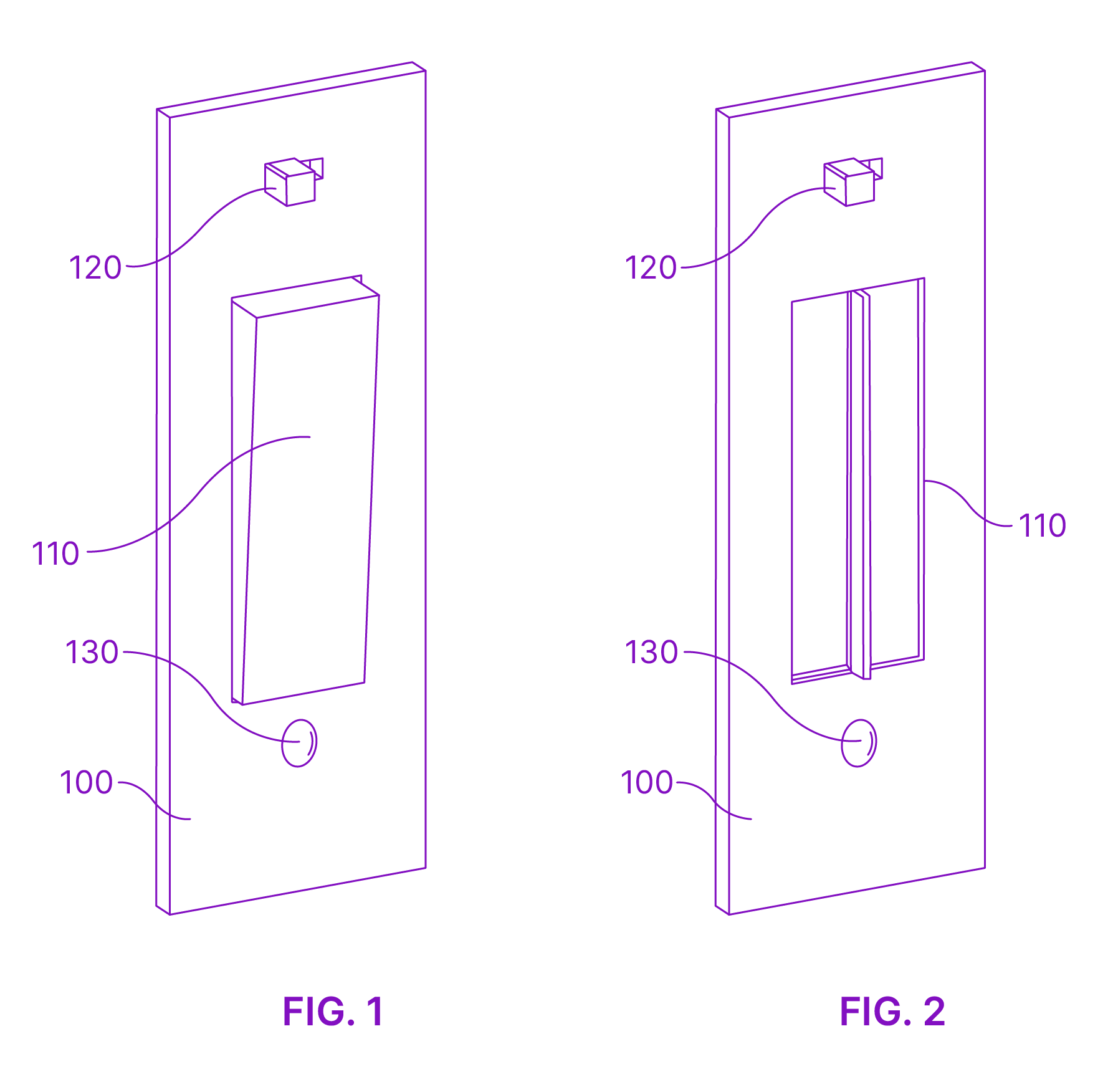
This design is connected to the halachic principle of grama, often translated as indirect causation. Grama does not mean that nothing is caused. Rather, it describes a situation where the final result is not produced directly and immediately by the person’s action. In the KosherSwitch, this principle is translated into an electronic architecture of delay, mediation, and probability.
The object remains debated within Jewish communities. For some, these layers of delay and indirectness create enough distance between the gesture and the electrical action. For others, the intention remains too clear: the person presses because they want the light to change. The controversy is therefore part of the object itself. It is not only a switch, but a material argument about what counts as action, intention, and responsibility.
Seen through design, the KosherSwitch is less interesting as a solution than as a temporal artefact. It shows how a simple domestic interaction can be redesigned by changing its rhythm. The modern switch usually promises instant control. The KosherSwitch weakens that promise. It keeps the gesture, but separates it from its effect. Agency remains possible, but it becomes delayed, indirect, and uncertain.