Adjustable light enclosure
- Pre-initiated continuity
Useful for reading, impossible for sleep
“Do objects need to rest?” one participant asked during the research. Within the practice they described, an electrical process started before Shabbat may continue afterwards. The lamp can therefore remain switched on throughout the ritual interval.
In the evening, its light supports reading, conversation or prayer. By bedtime, the need has changed. The same pool of light that made reading possible may now make sleep difficult.
The room has moved on, while the lamp holds the state chosen before sunset. The KosherLamp begins with this small domestic conflict: how can light remain electrically continuous while still responding to life around it?
A cloth becomes an interface
During an interview, a rabbi explained the principle through a familiar household gesture. If a lamp becomes too bright, its light can be covered with a cloth. The bulb continues to shine underneath; the room simply receives less of it.
That small workaround contains the logic of the KosherLamp.
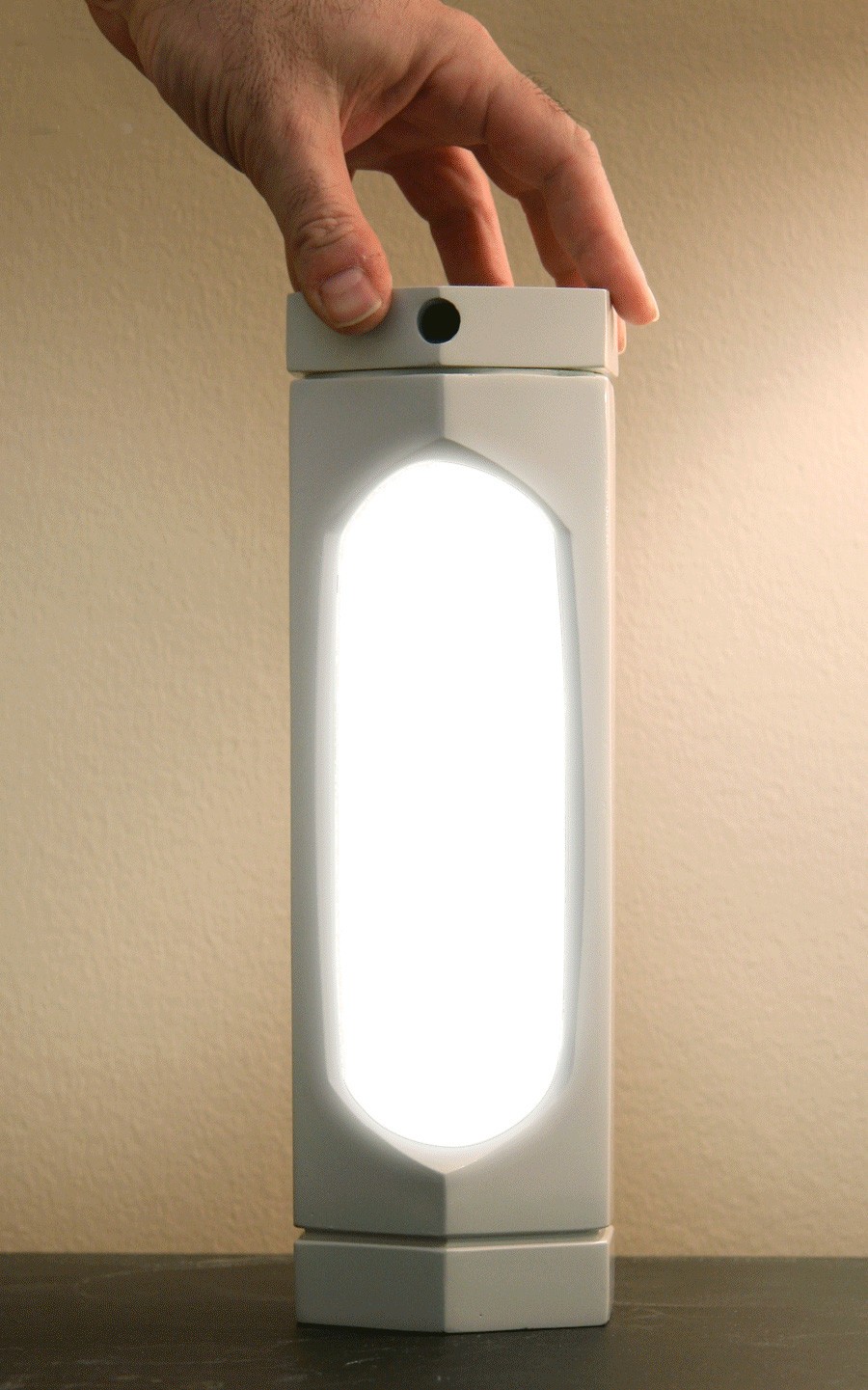
The improvised cover becomes a permanent part of the object. A rotating shade can conceal, reveal or partially filter the illuminated chamber. Within the practices described by participants, moving this enclosure is understood differently from operating the lamp’s electrical controls. The hand acts on the passage of light rather than on the powered source.

Where the switch moved
Where the interaction has gone. A fixed light source sits inside an opaque rotating enclosure. An opening in the outer shell forms an aperture between the bulb and the room.
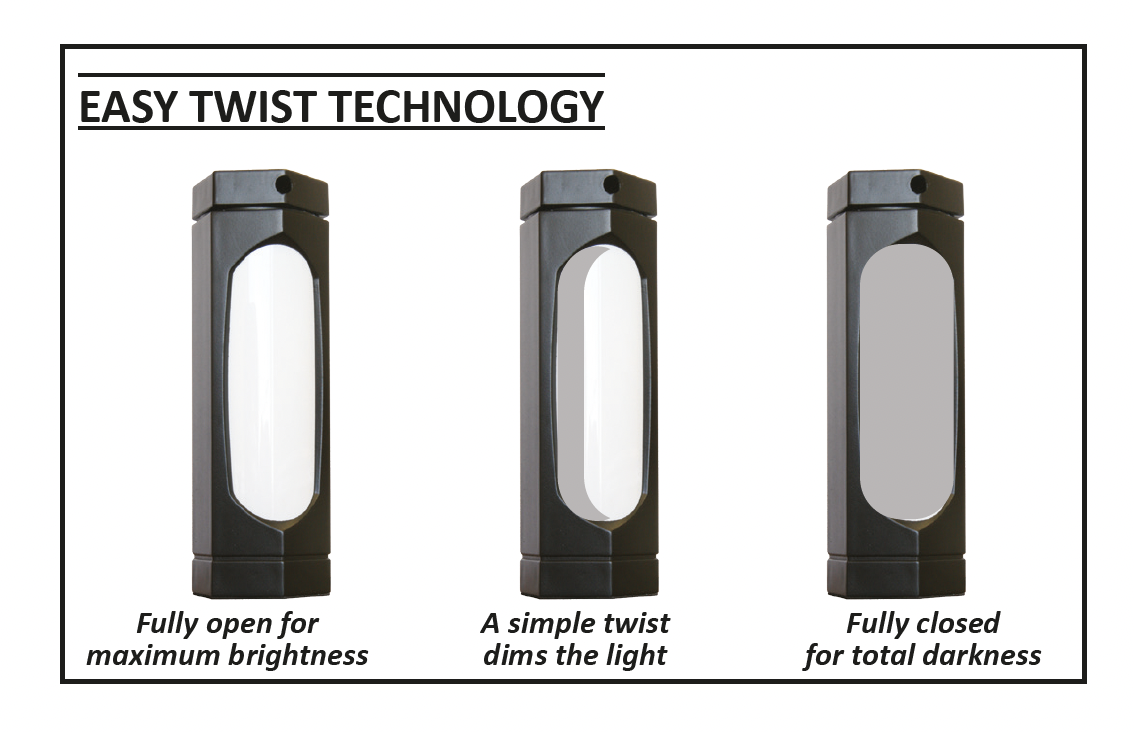
Turning the upper section changes the alignment of this opening. As it moves across the illuminated chamber, more or less light can escape. The internal sequence is direct and legible: the hand rotates the shade, the aperture shifts, and the room becomes brighter or darker.
The electrical sequence has already taken place. The lamp was activated before Shabbat and remains powered. The electrical decision belongs to the earlier preparation; adjustment survives through the geometry of the enclosure.
Reverse engineering reveals a switch that has effectively migrated from the circuit to the lamp’s surface.
Electricity held steady, mechanics kept active
In a conventional lamp, the interface acts on the circuit. The KosherLamp fixes that electrical state before Shabbat and transfers control to the mechanical enclosure. Electricity sustains the light source; rotation and opacity determine how much of it reaches the room.
This hybrid architecture matters for interaction design. The casing becomes an active mechanism rather than a passive shell. Grip, friction and aperture provide immediate feedback without sensors, software or another electrical command.
Ritual constraints therefore produce a different distribution of control: electrical continuity underneath, mechanical adjustment at the surface. The interface sits at the boundary where light leaves the object.