Pre-programmed automatic lift
- Cyclical interaction
The eighth floor without a button
During a work trip, one participant needed to return to her hotel room on the eighth floor. Avoiding the elevator controls, she searched for the stairs, became lost in the service corridors and eventually emerged in the hotel kitchen.
The episode exposes how thoroughly vertical movement depends on a short interaction: call the lift, select a floor, arrive. Once those two button presses disappear, the organisation of the building becomes difficult to navigate.
A Shabbat elevator removes the request from this sequence. During the ritual interval, it travels along a programmed route and opens at every floor—or at a predefined selection of floors. Passengers wait for the cabin, enter when it arrives and leave when their destination comes around.
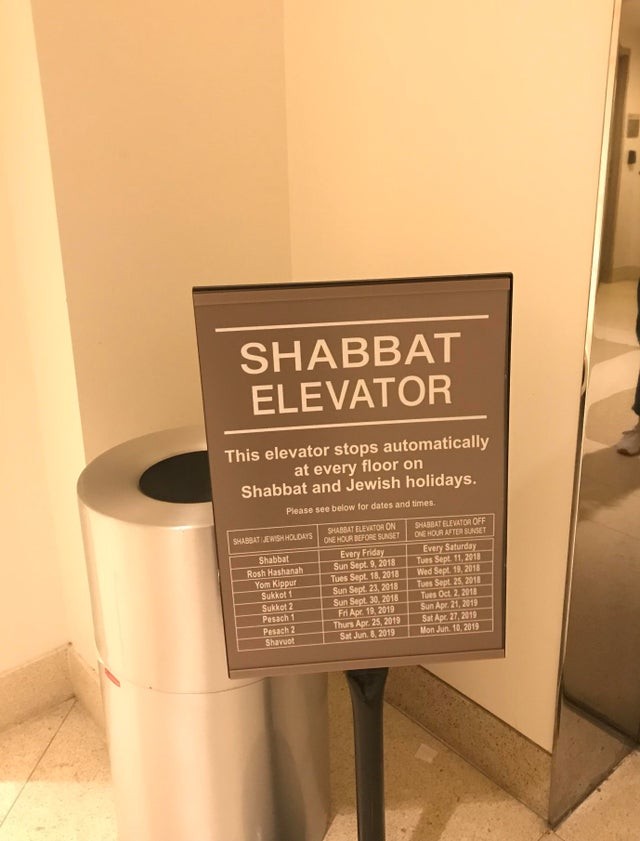
The lift stops asking
A conventional elevator organises movement around individual demand. Its Shabbat mode follows a cycle regardless of who is waiting.
Call buttons and floor selection lose their usual role. The meaningful cues become the sound of arrival, the opening doors and the number of the passing floor. In taller buildings, a journey may involve several stops and waiting periods of ten or twenty minutes.
The passenger no longer sets the machine’s timing. Interaction consists in recognising the right moment and joining a circulation already underway.
The elevator that never rests
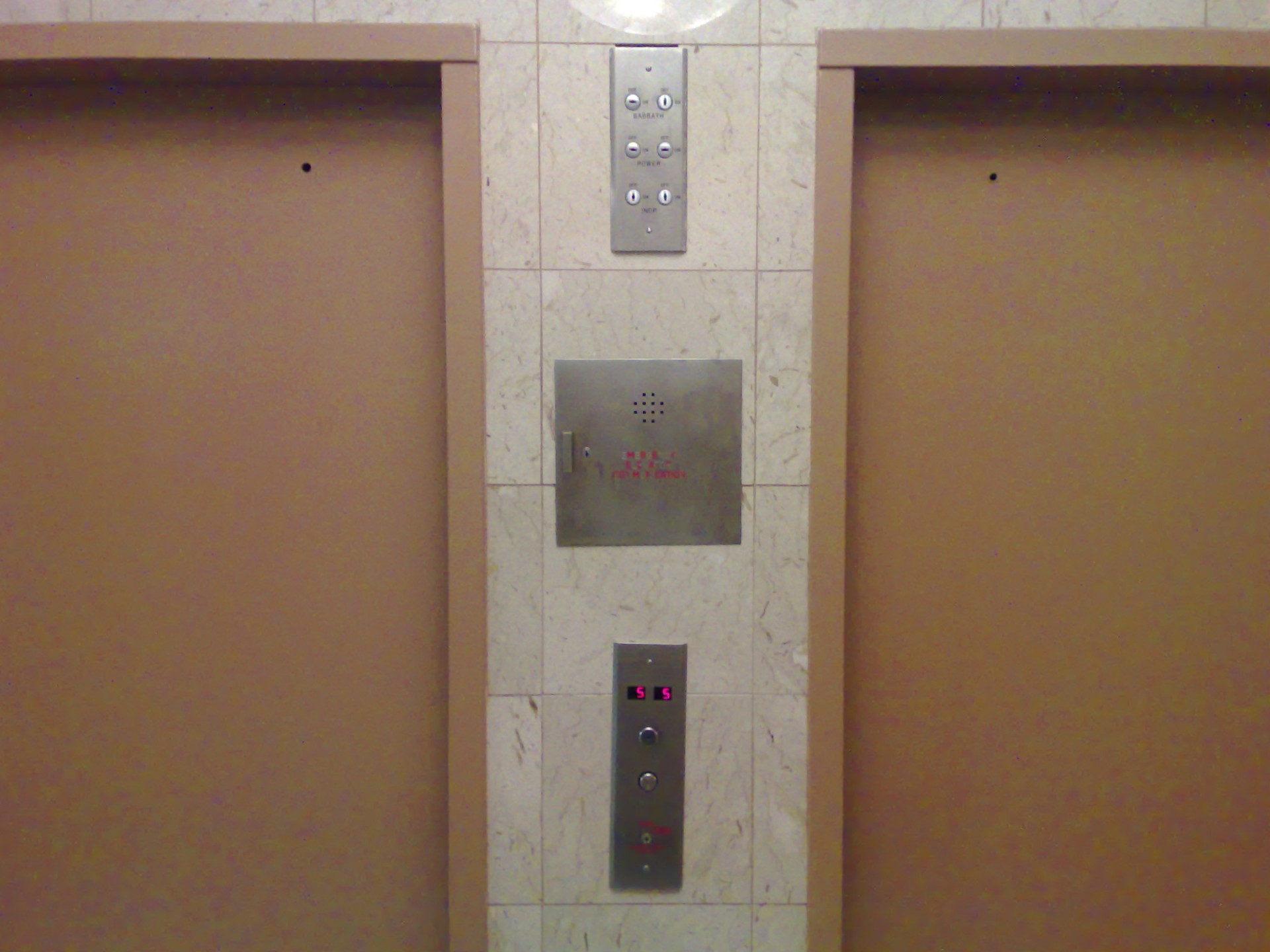
In one participant’s building, two elevators shared the same landing. During the week, both responded normally. On Shabbat, one began travelling continuously, stopping floor after floor throughout the day.
The first night, its mechanical noise resonated through the apartment. The couple eventually hung a curtain across their entrance to soften the sound.
An automated system intended to support a day of rest had become audible because it never stopped moving. Its rhythm extended beyond the cabin, through the lift shaft and into the surrounding homes.
Your weight enters the circuit
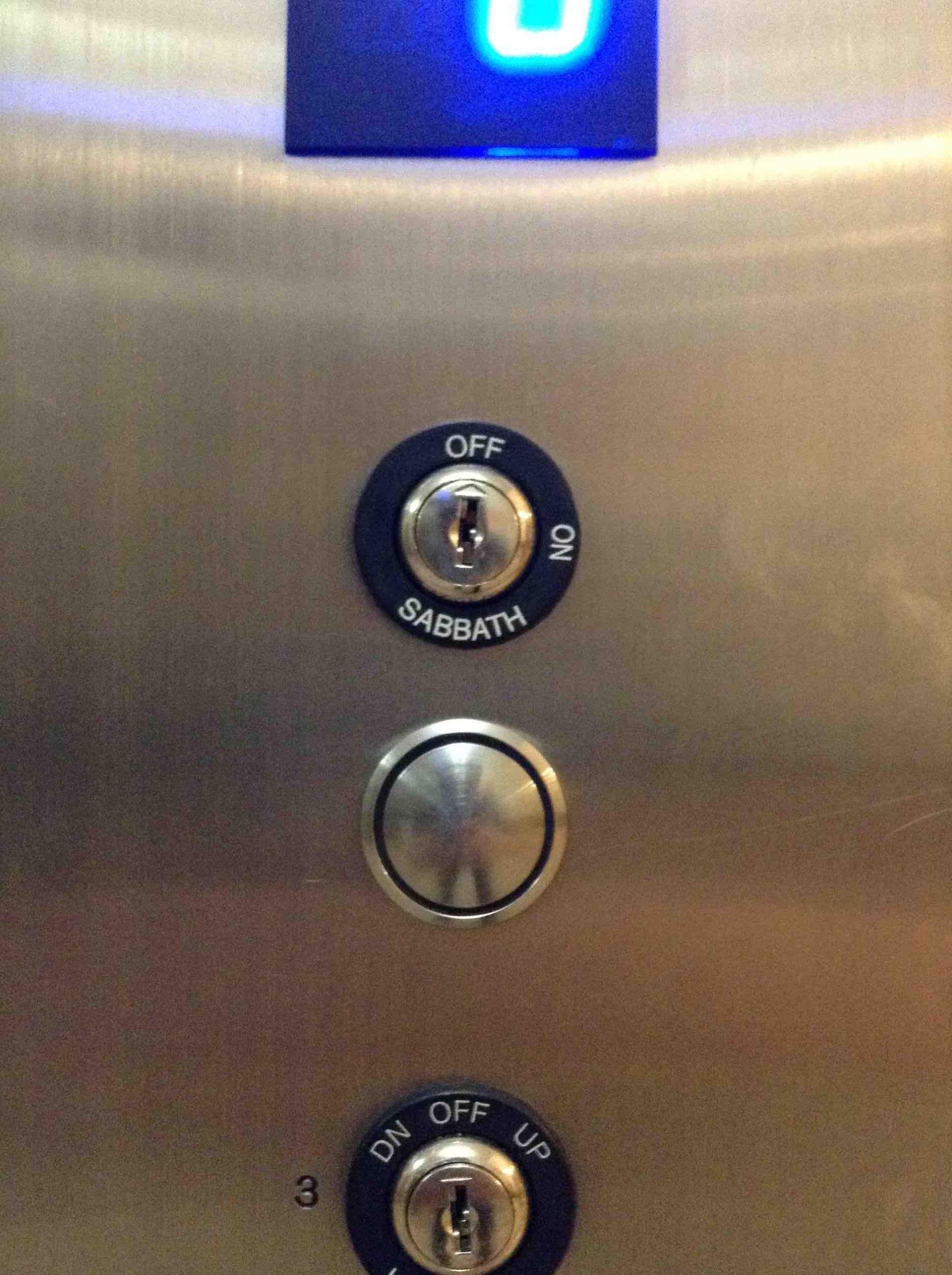
Removing the buttons does not remove every interaction. In some modern elevators, a descending cabin can generate electricity through regenerative braking. The amount produced may change with the combined weight of the cabin and its passengers.
Simply entering the lift can therefore alter its electrical behaviour. Engineers working with rabbinic authorities have developed systems that dissipate this energy or prevent it from being redirected elsewhere in the building. The issue remains debated across different interpretations and technical configurations.
This hidden mechanism expands what counts as input. Interaction includes intentional commands, but also presence, weight and timing. The body participates in the system before the hand touches anything.
Cyclical participation describes this arrangement: the building establishes the rhythm, and passengers coordinate their movement with it. The elevator becomes a timetable in motion.