Continuously heated water vessel
- Steady-state interaction
A kitchen kept ready
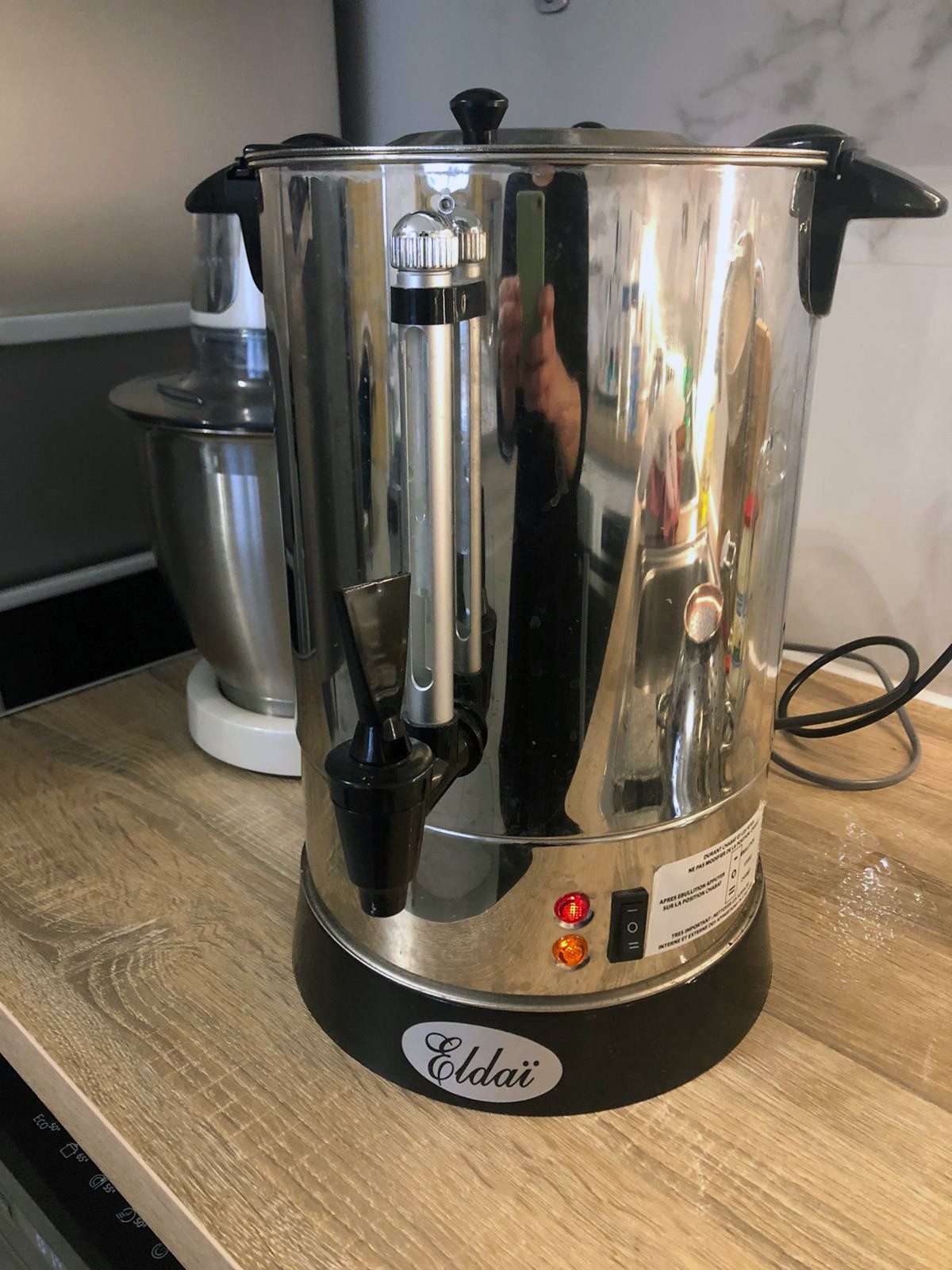
Friday afternoon brings a final rush of preparation. Food is placed on a warming plate, known as a plata, while water is filled and heated in a Shabbat urn, or koum-koum. Both appliances are switched on before Shabbat begins.
One participant described how this preparation kept hot food and drinks available throughout the day. Once everything was ready, attention could move away from the kitchen and towards family, meals and prayer.
The cup of tea served later begins here, hours before anyone drinks it.
Hot water held in time
An ordinary kettle follows a short sequence: fill, switch on, boil, pour. The Shabbat urn extends that sequence across the day. Its water is brought to a full boil before Shabbat, then held continuously hot for later use.
The relevant threshold is known as yad soledet bo: the temperature at which water is considered capable of cooking. Its exact value remains debated. Many authorities place the lower boundary around 45°C, while approximately 71°C is certainly above it. The urn therefore maintains already-boiled water above this uncertain range.
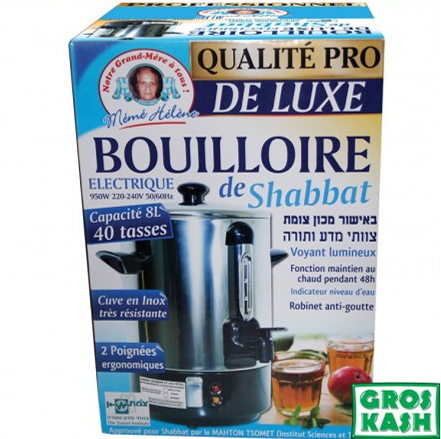
Inside the vessel, the heating element, insulation and thermal regulation preserve that established condition. By the time someone fills a cup, the transformation from cold water to hot water has already occurred.
Heat without a new beginning
Hours after the water was boiled, someone presses the tap and fills a cup. The gesture is brief, yet it draws from a process that began much earlier and has continued without them.
The kettle separates two layers of interaction. Electrical regulation preserves the thermal state; the tap portions it out. The user controls when water is taken and how much, while the production of heat remains in the background.
This is more than a different kind of kettle control. Most appliances join production and access in a single command: press, heat, receive. Here, those moments are pulled apart. The system maintains; the interface grants temporary access.
Alongside the plata, the urn turns the kitchen into a set of sustained conditions. Each cup is a small withdrawal from heat held across the day. Steady-state interaction names this arrangement: a long-running technical process supporting short, local gestures.